Posted on 23/10/2026
Hackney Council green waste rules for bouquet disposal: what to do with flowers, stems and wrapping
If you've just been left with a fading bouquet on the kitchen table, you are not alone. A few days after a birthday, anniversary, wedding, or sympathy delivery, the flowers start drooping, the water goes cloudy, and you're left wondering what actually belongs in the bin. That's where Hackney Council green waste rules for bouquet disposal come in. The short version: flower heads, stems, leaves and other clean plant material may be suitable for green waste, but the wrapping, ribbons, cellophane, foam and any non-organic bits usually are not.
Sounds simple enough. In practice, it can be oddly fiddly. A bouquet often mixes natural material with plastic ties, decorative foil, cardboard sleeves and sometimes florist foam. This article breaks the process down in plain English so you can sort it properly, avoid contamination, and feel reasonably confident you've done the right thing. We'll also cover local best practice, common mistakes, and a simple checklist you can use in your own kitchen-because let's face it, nobody wants to overthink dead roses at 8pm on a Tuesday.
- Why Hackney Council green waste rules for bouquet disposal matters
- How the rules work in practice
- Key benefits and practical advantages
- Who this is for and when it makes sense
- Step-by-step guidance
- Expert tips for better results
- Common mistakes to avoid
- Tools, resources and recommendations
- Law, compliance and best practice
- Options, methods and comparison table
- Case study or real-world example
- Practical checklist
- Conclusion
- Frequently asked questions
Why Hackney Council green waste rules for bouquet disposal Matters
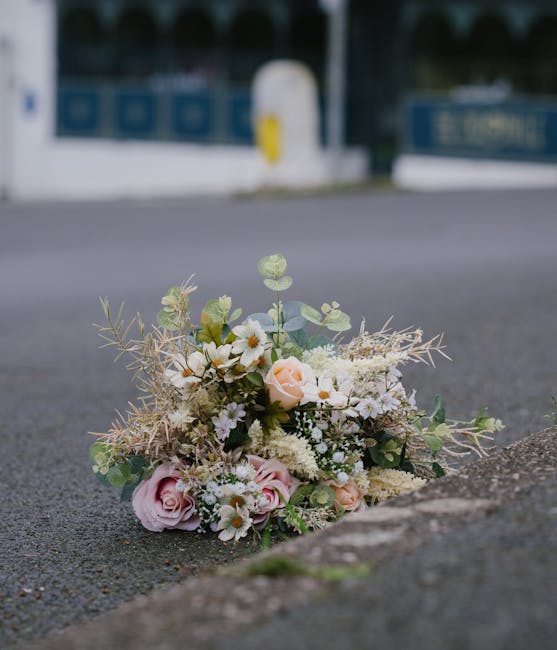
Bouquets are a nice problem to have, but they still create waste. If you simply throw the whole arrangement into general rubbish, you're mixing compostable plant matter with materials that should be separated. If you put everything into green waste without checking, you risk contaminating the collection with plastics, wire, foam or treated decorative items. That can make processing harder for waste teams and, in some cases, lead to rejected loads or poorer-quality composting output.
For Hackney residents, getting this right matters for a few practical reasons. First, it helps keep recycling and composting systems working properly. Second, it reduces what goes to landfill or incineration unnecessarily. Third, it keeps your own household waste routine cleaner and less smelly. A decomposing bouquet left in a kitchen caddy can get surprisingly pungent by day three. Truth be told, flowers are lovely; wilted flowers in a hot bin bag are less charming.
There's also a wider local benefit. London boroughs rely on residents separating waste reasonably well. The more carefully you strip out non-organic materials before disposal, the easier it is for the system to handle organic waste. That's the heart of bouquet disposal in green waste terms: keep the plant material with plant material, and keep the rest out.
Key takeaway: treat the bouquet like two separate jobs-organic plant matter, and everything else. That small habit makes disposal simpler, cleaner and more compliant with local waste expectations.
How Hackney Council green waste rules for bouquet disposal Works
Although the exact collection setup can vary over time, the logic behind bouquet disposal is usually the same. Organic, untreated plant material belongs with garden-style compostable waste where accepted. Non-organic decorations do not. The useful approach is to dismantle the bouquet before you throw anything away.
Think of a bouquet in layers:
- Usually acceptable as green waste: flower heads, stems, leaves, grass-like fillers and other natural plant parts.
- Usually not acceptable: plastic sleeves, cellophane, elastic bands, ribbons, glittered decorations, foil wraps, tape, wire, florist foam and plastic picks.
- Sometimes a judgement call: cardboard sleeves or paper wraps, if clean and uncoated, may be recyclable or compostable depending on local guidance and how they are finished.
The awkward bit is that bouquets are not designed to be waste-friendly. They're made to look good, last a few days, and survive transport. That means they often include a bit of everything. If you're unsure, ask yourself a simple question: is this a natural plant material, or is it an added decorative/structural item? If it's the second one, keep it out of green waste unless you know the council accepts it.
In a normal home setting, the process works best when you separate the bouquet at the point of disposal rather than trying to decide after everything has been mixed together in the bin. One minute of sorting at the counter usually saves a lot of faff later. You'll notice the difference straight away: less mess, less smell, less confusion.
What to do with each part
Here's the practical version:
- Remove any ribbon, string, tie, tape or wrap.
- Check whether the bouquet contains florist foam or water tubes.
- Separate pure plant matter from synthetic materials.
- Place accepted organic material into the correct green waste container if available.
- Put the remaining non-organic parts into the appropriate general waste or recycling stream, if suitable.
Some people like to stand at the sink and peel the bouquet apart like they're preparing ingredients. That is honestly the easiest way. Keep a small pair of scissors nearby and you're halfway there.
Key Benefits and Practical Advantages
Following the right bouquet disposal routine isn't just about being tidy. It gives you a few real-world benefits, especially if you receive flowers often or manage events, receptions, or shared spaces.
- Cleaner waste separation: green waste stays less contaminated, which helps processing.
- Less bin odour: plant waste in the wrong bin can smell quickly, particularly in warmer weather.
- Less visual clutter: separating wrapping and stems makes household sorting easier.
- More confident compliance: you reduce the chance of putting the wrong item in the wrong stream.
- Better sustainability habits: you build a more thoughtful approach to everyday waste, not just bouquets.
For businesses, venues and event organisers, the advantages are even more obvious. A florist delivery for a lobby, wedding reception or care setting can generate a surprising amount of leftover material. If you have a standard routine for flower disposal, you avoid the messy "who deals with this?" moment. Nobody needs that after a long event.
There's another subtle benefit too: once you start sorting bouquets correctly, you get quicker at spotting recyclable packaging versus true waste. It becomes second nature after a while.
Who This Is For and When It Makes Sense
This guidance is useful for anyone in Hackney dealing with fresh flowers that have come to the end of their life. That might be one bunch from a birthday delivery, several centrepieces after a celebration, or a sympathy arrangement after a funeral. The context changes, but the disposal logic stays similar.
You'll find it especially useful if you are:
- a homeowner or tenant clearing out wilted flowers
- a student or flat-share resident trying to keep waste sorting simple
- a local business handling regular florist deliveries
- an event organiser dealing with table arrangements or bridal bouquets
- someone sorting flowers after a wedding, memorial, or family gathering
It also makes sense if you're trying to reduce household waste and keep your bins under control. A bouquet can be small, but a few stems, soaked wrapping and dead leaves can become sludgy very quickly. If you've ever lifted a bin lid and been hit by that damp floral smell on a Monday morning, you'll know exactly what I mean.
And yes, this matters even if the bouquet looks "mostly natural." Most bouquets are mixed-material items. That's the bit people miss.
Step-by-Step Guidance
If you want the simplest possible method, use this clean, practical sequence. It works for most fresh bouquets, though you should still check local guidance for any special collection details.
1) Lay the bouquet out somewhere easy to clean
A kitchen surface, newspaper, or even the sink area works. Don't try to sort it in the bin itself. That's how petals, leaves and bits of tape end up everywhere. A small towel underneath helps catch water from the stems.
2) Remove all decorative and non-organic parts
Take off cellophane, ribbons, bows, ties, stickers, wire, plastic netting and any foam inserts. If you find a little water capsule on a wire pick, remove that separately. Those tiny extras are the ones people forget.
3) Separate the natural plant material
Flower heads, stems, leaves and soft greenery can usually go with green waste if that stream is available for you. If the bouquet contains diseased plant material, or anything heavily treated or contaminated, err on the cautious side and follow local disposal advice.
4) Check the packaging
Paper wraps may be recyclable if clean and not coated, but glossy paper, foil-lined wrap or plastic-laminate sleeves generally are not. If you're not sure, it's better to keep contaminated packaging out of recycling rather than guess. Recycling contamination is a nuisance, and the waste system has enough to juggle already.
5) Bag or place each material in the right stream
Use your green waste container for organic material where accepted. Put the remaining non-organic items where they belong. If your arrangement has mixed materials that can't be separated neatly, the safest option is to prioritise correctness over convenience.
6) Rinse and tidy the area
Wipe the surface and rinse any slimy stems from the sink. This sounds minor, but it makes a big difference. A quick clean-up prevents flies, smell and that slightly tragic "old bouquet" scent drifting into the room.
One little shortcut: if you receive flowers often, keep a small "flower sorting" habit at home. Scissors, a reusable tray and one spare bag are enough. Simple. Boring, even. But useful.
Expert Tips for Better Results
After dealing with enough bouquets, a few habits make the whole thing easier. These are small things, but small things matter when you're trying to keep waste streams clean.
- Strip the bouquet sooner rather than later. Fresh flowers are easier to sort before they collapse and leak water.
- Don't bury packaging in green waste. A hidden ribbon or tie can cause problems later on.
- Keep florist foam out of organic waste. It is not plant matter, even if flowers sit in it.
- Use a caddy liner only if it's accepted. Some compostable liners are fine in some systems, but not every council route is identical.
- Trim off overly woody or bulky stems if needed. This can help if your container is small, though you should still follow local rules.
- Watch for hidden plastics. Many bouquets have tiny clips and wraps tucked near the base.
If you're handling sympathy flowers or wedding arrangements, go a bit slower. Those often contain more decorative components and more wire than a casual gift bouquet. It's not difficult, just slightly more fiddly. And to be fair, after a big occasion everyone is usually tired, so mistakes happen.
A good rule of thumb is this: if it bends like a stem, it might be organic; if it crinkles like a wrapper, it probably isn't. Not a perfect test, granted, but it helps in the moment.
Common Mistakes to Avoid
Most bouquet disposal problems come from a handful of easy-to-make mistakes. Here's what to watch out for.
- Throwing the bouquet away whole: this mixes organic and non-organic materials together.
- Leaving in ribbon or string: these small items often get missed.
- Assuming paper always belongs in recycling: coated or glittered wraps may not be suitable.
- Putting florist foam into green waste: it is not compostable in the usual sense.
- Forgetting the water tube: those little plastic reservoirs can hide near the stems.
- Overfilling the bin with wet stems: that can make the container heavy and unpleasant to empty.
Another common slip is leaving a bouquet in the bin for too long before collection day. Fresh flowers decay fast. If there's a heatwave, the smell can arrive before you even remember it's there. London summer in a sealed kitchen bin is... not ideal.
One more thing: don't assume all local disposal rules are the same everywhere. Even neighbouring boroughs can make different arrangements for garden-style waste. Always apply the local guidance that matches where you live.
Tools, Resources and Recommendations
You do not need fancy equipment to dispose of bouquets correctly. A few basic tools are enough.
| Item | Why it helps | Best use |
|---|---|---|
| Kitchen scissors | Makes it easier to cut ties, tape and stems | Separating bouquet layers |
| Tray or newspaper | Catches water, petals and loose debris | Sorting flowers indoors |
| Reusable gloves | Keeps hands clean when stems are slimy or thorny | Handling decayed flowers |
| Small bin bag | Collects non-organic packaging neatly | Separating wrapping and ribbons |
| Dry cloth or paper towel | Quickly wipes water and plant residue | Cleaning the work area |
If you receive flowers frequently, it may also help to keep your florist preferences aligned with disposal practicality. For example, arrangements with less plastic wrapping are simply easier to sort later. A bouquet from the collection at florist choice may be a simpler option if you prefer minimal fuss, while a flowers in a vase style arrangement can sometimes reduce the amount of packaging you need to deal with afterwards.
For sentimental occasions, you may also want to keep packaging separate until you've decided whether to reuse it, recycle it, or dispose of it. Sometimes the card or wrap becomes part of the memory. A little ribbon tucked into a drawer can feel oddly comforting. Humans are like that.
Law, Compliance, Standards, or Best Practice
This topic sits mainly in the world of local waste practice rather than strict legal drama. Still, good disposal habits matter. In the UK, households are expected to separate waste responsibly where local collection systems require it, and councils may set different rules for organics, recycling and general refuse. The safest approach is to follow the specific guidance that applies in Hackney rather than relying on what worked in another borough.
From a best-practice perspective, the important standards are simple:
- keep organic plant material separate from plastics and metals
- avoid contaminating recyclable or compostable streams
- check for coating, glue, glitter and synthetic finishes on wrapping
- dispose of anything uncertain in the most suitable stream available, not the easiest one
If you are dealing with flower waste in a business or shared building, the principle is the same, but the duty of care is a bit stronger in practical terms. A receptionist, office manager, venue coordinator or facilities person will usually want a clear routine. That protects the building, keeps bins manageable, and reduces complaints from colleagues or guests.
One helpful mindset: compliance is not just about "following rules"; it's about making waste less messy for everybody downstream. The bin collector, the compost processor, the person cleaning the shared courtyard-someone always pays the price for sloppy sorting. Best not be that person, honestly.
Options, Methods, or Comparison Table
There are a few sensible ways to handle bouquet disposal, depending on what the arrangement contains and what local collection streams you have access to. Here's a straightforward comparison.
| Method | Best for | Pros | Watch-outs |
|---|---|---|---|
| Green waste stream | Clean stems, leaves and flowers | Good for organic material; tidy and practical | Must remove plastics, foam and decorations first |
| General waste | Mixed or contaminated bouquet components | Simple fallback when materials cannot be separated cleanly | Less sustainable; can be heavier and smellier |
| Recycling | Clean, accepted paper or card packaging | Useful for suitable wraps, sleeves or boxes | Not all wrapping is recyclable; contamination is common |
| Reuse | Decorative vases, ribbons, wrapping or dried stems | Low waste; useful for crafts or storage | Only works if items are still in decent condition |
The best option is usually a combination. Reuse what can be reused, recycle what is clean and accepted, and send the plant matter to the green waste stream where appropriate. The main mistake people make is treating all the bits as if they belong in one place. They don't.
Case Study or Real-World Example
Picture a small Hackney flat after a Saturday birthday dinner. A mixed bouquet has been on the table for five days. The roses are going soft, the alstroemeria has dropped a few petals, and the water smells a bit swampy if we're being blunt.
The person clearing up does the sensible thing. They set the bouquet on a cutting board, remove the cellophane sleeve, pull off the ribbon and the little plastic tie, and check for any hidden wire supports. The paper insert goes aside to see whether it's clean enough for recycling. The flowers and stems are placed in the correct organic waste stream, while the synthetic bits go into general waste. The vase is rinsed, the worktop is wiped, and the kitchen smells normal again within minutes.
That's the ideal outcome: quick, tidy and low-stress. No heroic effort. No complicated kit. Just a small bit of care and a decent process.
Now compare that with the opposite version. The whole bouquet goes straight into the bin, packaging and all. A few days later the bag is soggy, the stems leak, and the wrapped plastic turns into a damp knot at the bottom of the container. It's not a disaster, but it's annoying. And unnecessary.
That little difference is exactly why the rules matter. Not because bouquet disposal is dramatic. Because it's easy to get wrong, and easy to get right once you know the rhythm.
Practical Checklist
Use this before you bin a bouquet:
- Have I removed all cellophane, ribbon, tape and ties?
- Have I checked for florist foam or water tubes?
- Have I separated natural plant material from synthetic parts?
- Do I know whether my green waste stream accepts clean flower waste?
- Have I avoided putting glittered, coated or plastic-lined packaging into recycling?
- Have I wiped up any water or plant residue around the sink or table?
- Have I dealt with thorny stems or decayed material safely?
- Have I kept anything uncertain out of the wrong bin?
If you can tick most of those off, you're in good shape. If not, take another minute. It's worth it.
Get a free quote today and see how much you can save.
Conclusion
Hackney Council green waste rules for bouquet disposal are really about one thing: separate the natural from the non-natural. Once you do that, the rest gets much easier. Flowers, stems and leaves are usually straightforward. Wrapping, ribbon, foam and other extras are the bits that need attention.
In everyday terms, the best routine is simple. Unwrap the bouquet, sort the materials, place the organic parts in the right stream where accepted, and keep the rest out of green waste. That's it. Not glamorous, but effective.
And there's a quiet satisfaction in getting it right. A clean table, a tidy bin, no lingering smell in the flat-small wins, but they add up. Sometimes the best household habits are the least dramatic ones. This is one of them.
Frequently Asked Questions
Can I put an entire bouquet in green waste?
Usually not. The flowers and stems may be suitable, but the wrapping, ribbon, tape, wire and florist foam generally should be removed first. Mixed materials are the main problem.
Are rose stems and leaves allowed in green waste?
In most cases, clean plant material like rose stems and leaves is the kind of organic waste that can go in a green waste stream where accepted. Remove any non-organic attachments first.
What should I do with cellophane from a bouquet?
Cellophane is not plant material. It should be separated and disposed of according to the correct non-organic waste route, not placed with green waste.
Can florist foam go in the green bin?
No, florist foam should not be treated like compostable plant waste. It is a synthetic material and should be kept out of green waste.
What if my bouquet has paper wrapping instead of plastic?
Paper wrap may be recyclable if it is clean and uncoated, but not all paper-style packaging is suitable. Check whether it has plastic coating, foil, glue or glitter before deciding.
Does Hackney treat flower waste differently from garden waste?
The practical principle is similar: organic plant matter is the relevant material, while packaging and synthetic items are not. Still, you should follow the current local guidance for the collection stream you use.
What if the flowers are mouldy or slimy?
Still separate the materials carefully. If the plant waste is badly degraded, handle it with gloves if needed and make sure it goes only into the appropriate waste stream allowed by local guidance.
Can I compost a bouquet at home instead?
Often, yes for the plant material, but only if the bouquet is free from plastic, wire, foam and treated decoration. Home composting is not suitable for everything that comes in a florist arrangement.
How do I know if the bouquet packaging is recyclable?
Look for clean, plain paper or cardboard without plastic coating, glitter or heavy contamination. If the wrap is glossy, laminated or mixed-material, it may not be recyclable.
What's the quickest way to dispose of bouquet waste properly?
Lay the bouquet out, remove the wrap and decorative extras, sort the natural stems and flowers from everything else, then place each material in the correct waste stream. That simple routine works for most households.
Is it better to reuse the vase or wrapping?
Yes, if it is still in good condition. Reusing a vase, ribbon or clean wrapping can reduce waste and make disposal simpler. Some people keep nice vases for future deliveries or cuttings.
What if I'm disposing of flowers after a wedding or funeral?
The same basic sorting logic applies, but there may be more packaging, wire and decorative components than in an everyday bouquet. Take your time and separate each material carefully before disposal.
Should I contact the council if I'm unsure?
If the item is unusual or you're dealing with a lot of flower waste, checking the current local guidance is sensible. When in doubt, avoid contaminating the wrong bin. A little caution saves a lot of mess later.
What is the biggest mistake people make with bouquet disposal?
The biggest mistake is tossing the bouquet away as one single item. Once organic and non-organic parts are mixed, it becomes harder to dispose of everything properly. Slow down just enough to separate the components.