Posted on 11/10/2026
Hackney Council rules for pavement floral displays and permits: a practical guide for businesses and residents
If you are planning a pavement floral display in Hackney, the idea is usually simple: make the front of a shop, cafe, salon, home, or venue look a little more welcoming. But the reality is a bit more involved. Hackney Council rules for pavement floral displays and permits can affect where you place planters, how much space you leave for pedestrians, and whether you need permission before anything goes outside.
That catches people out more often than you would think. One day it is a few cheerful tubs of lavender by the kerb; next thing, you are dealing with complaints, access issues, or a request to remove the display. Let's face it, a beautiful pavement display only works if it is safe, tidy, and properly approved. This guide walks through the process in plain English so you can plan confidently and avoid the common headaches.
Along the way, we will cover how these rules tend to work in practice, what the council is usually looking for, where floral displays can become a problem, and the sensible steps to take before you move a single planter. If you are balancing presentation, pedestrian flow, and local compliance, you are in the right place.
- Why Hackney Council rules for pavement floral displays and permits Matters
- How Hackney Council rules for pavement floral displays and permits Works
- Key Benefits and Practical Advantages
- Who This Is For and When It Makes Sense
- Step-by-Step Guidance
- Expert Tips for Better Results
- Common Mistakes to Avoid
- Tools, Resources and Recommendations
- Law, Compliance, Standards, or Best Practice
- Options, Methods, or Comparison Table
- Case Study or Real-World Example
- Practical Checklist
- Conclusion
- Frequently Asked Questions
Why Hackney Council rules for pavement floral displays and permits Matters
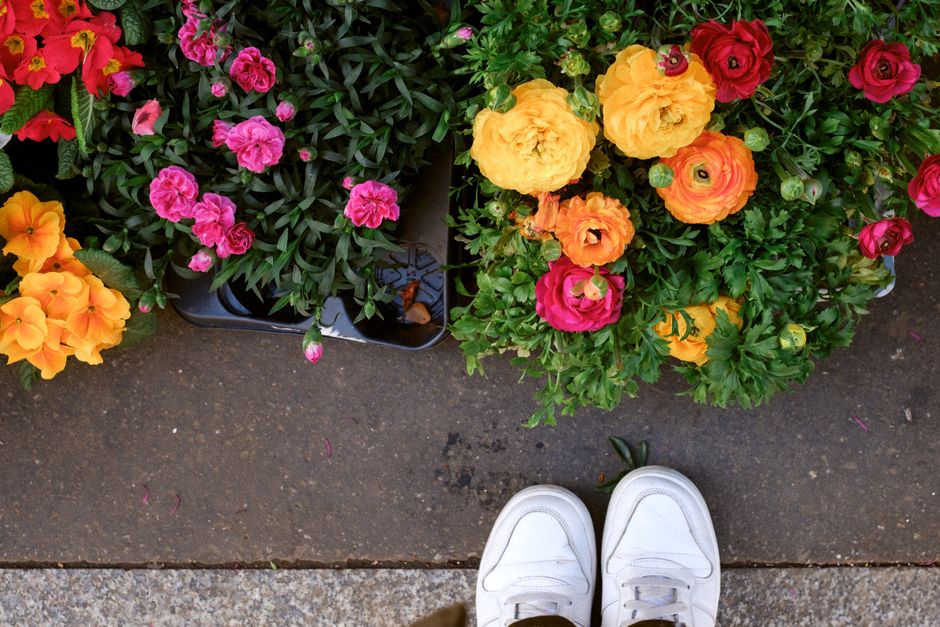
Pavement floral displays are not just decoration. On a busy street in Hackney, they become part of the public realm the moment they sit on or near the pavement. That means they can affect wheelchair access, pushchair movement, sight lines, maintenance, emergency access, and general pedestrian safety. A display that looks charming in the morning can feel like an obstacle by lunchtime if it is badly placed.
That is why council oversight matters. A permit process is there to help make sure the display does not block the footway, confuse customers, or create a hazard in wet weather when pots can become slippery and a little too easy to knock. People often assume the issue is only about aesthetics. It is not. It is about balancing local character with public access.
There is also a wider business angle. A well-managed floral frontage can support your brand, make a street feel more inviting, and improve the first impression people get as they pass. On a grey London morning, a row of healthy plants can genuinely lift the whole frontage. But if the display breaches local rules, the goodwill evaporates quickly. Nobody wants to spend money on flowers only to be told to move them back inside.
Expert summary: the safest approach is to treat pavement floral displays as a regulated use of shared space, not as private frontage. Plan for access first, beauty second, and approval before placement.
Truth be told, that order of priorities saves time. It also helps you make decisions that are more likely to stay in place long term rather than being removed after a complaint or inspection.
How Hackney Council rules for pavement floral displays and permits Works
The exact permission route can vary depending on the size, position, and impact of the display. In general, if floral containers, stands, troughs, hanging elements, or decorative arrangements sit on pavement land rather than private land, you should assume some level of permission or consent may be needed. A permit may be required where the display occupies public highway space, affects access, or forms part of an outdoor trading or frontage arrangement.
In practical terms, the council is usually checking a handful of things:
- Whether pedestrians can pass safely and comfortably
- Whether wheelchair users and pushchairs have enough room
- Whether the display stays stable in wind, rain, or accidental contact
- Whether it creates clutter, trip hazards, or reduced visibility near crossings or entrances
- Whether it fits the surrounding streetscape and any local conditions
Depending on the nature of the display, you may need to submit a description, photos, measurements, and a site plan. That is fairly normal. Councils want to see where the items sit, how wide the footway remains, and whether the arrangement is removable and maintained responsibly. A quick sketch on the back of an envelope rarely helps, even if it feels wonderfully old-school.
Sometimes businesses also confuse a pavement floral display with a pop-up marketing feature or a cafe-style frontage. They are related, but not identical. A floral feature that is decorative and tucked neatly against the building line is one thing; a branded planter corridor stretching across the footway is another. The more the display extends into public space, the more likely permission, conditions, or review will be involved.
If you are unsure, start with the principle that the pavement is shared space. That mindset keeps you on the right track far more reliably than guessing based on what another shop is doing on the next street over.
Key Benefits and Practical Advantages
Getting the rules right is not just about avoiding trouble. There are real practical advantages when the display is properly planned and permitted.
- Lower compliance risk: You reduce the chance of being asked to remove or alter the display after installation.
- Better pedestrian flow: Clear access makes the frontage feel more open and welcoming.
- Stronger visual identity: A managed floral display can make a shopfront, cafe, or venue look cared for and distinctive.
- Better maintenance habits: Planning for watering, pruning, and replacement from the start keeps the display looking tidy.
- Improved neighbour relations: A display that is neat and compliant is less likely to attract complaints.
There is also a subtle commercial benefit. Customers tend to trust businesses that look organised. A thoughtful frontage suggests attention to detail inside too. If you have ever walked past a florist, deli, or small independent on a London street and thought, "That looks proper, doesn't it?", you already know the effect.
For residents, there is a community benefit as well. A floral display can soften a hard streetscape, especially in denser parts of Hackney where paving, traffic, and retail frontage can otherwise feel a little abrupt. Done well, it adds colour without creating clutter. Done badly, it becomes someone else's obstacle. The difference is usually planning.
Who This Is For and When It Makes Sense
This guidance is relevant if you are considering any floral display that touches public pavement space in Hackney. That includes independent businesses, cafes, restaurants, venues, property managers, community groups, and residents who want decorative planters outside a property boundary.
You may need to think about permits or consent if you are:
- placing flower tubs, planters, or baskets on the pavement
- creating a decorative frontage for a shop or salon
- using flowers as part of an outdoor trading area or customer welcome zone
- adding seasonal displays that will remain outside for more than a brief period
- installing large containers that could affect access or visibility
For some people, the trigger is a special occasion: a wedding venue dressing its entrance, a cafe decorating for spring, or a business adding colour for a local event. For others, it is a more permanent choice, such as enhancing a frontage year-round. Either way, if the arrangement is outside on the pavement, do not assume it is automatically fine.
One useful rule of thumb: if a member of the public needs to step around your display, a council may want to know about it. That is not meant to sound dramatic. It is simply the point where decoration becomes a public-space issue.
Step-by-Step Guidance
If you want to do this properly, work through the process in order. It keeps the project tidy and it saves the usual last-minute scramble.
1. Measure the available space
Start with the footway width, the position of the building line, and any fixed obstacles such as bins, posts, trees, cycle stands, and signage. The key question is simple: how much clear space will remain after the display is installed?
In a busy street, a display that looks modest on paper can feel much bigger once it is out there. A planter and a plant stand can suddenly be the exact thing that makes a narrow path awkward. Measure twice, then stand back and imagine a wheelchair user, a parent with a buggy, or a delivery worker carrying boxes past it.
2. Decide whether the display is decorative only or part of trading activity
This matters more than people expect. A quiet decorative arrangement outside a property may be treated differently from a frontage that is also serving customers, guiding queues, or enhancing a commercial outdoor area. The council may assess it differently depending on how it functions in real life.
3. Prepare a simple layout plan
Use a clear drawing or annotated image showing:
- the exact position of each planter or floral feature
- the width of the remaining clear footway
- distances from doorways, crossings, corners, and kerbs
- the size and height of the display
- how it will be secured, weighed, or stabilised
It does not need to look like an architect's portfolio. It just needs to be readable. A neat, practical plan usually travels much better than a vague promise that "it will be fine".
4. Check the likely permission route
Depending on the display, you may need a pavement permit, highway consent, or another form of approval. If the arrangement is temporary, there may be a different process than for a permanent frontage feature. The safest move is to confirm the route before buying expensive planters or arranging regular deliveries of flowers.
5. Build the display with access in mind
Choose stable containers, keep the shape compact, and avoid anything that sticks out unexpectedly. Avoid loose gravel, fragile decorative pieces, and arrangements that spill outward into the walking line. Strong wind on a corner site can be annoying enough without giving a planter a starring role in the middle of the pavement.
6. Maintain it properly
Once installed, the display must stay clean, tidy, and safe. That means watering, pruning, removing dead blooms, checking for broken pots, and keeping the pavement free of soil or fallen petals where they might become slippery. The display should look like someone cares for it, because that really does show.
7. Keep evidence and approval records
Save copies of any permit, consent, emails, and site plans. If someone later queries the arrangement, you will be glad you kept the paperwork in one place. Small folder, one drawer, job done. Very unglamorous, very useful.
Expert Tips for Better Results
If you want your pavement floral display to last and look good, a few practical details make a big difference.
- Keep the footprint compact. Narrower is usually safer than prettier-and-wider. The best displays often rely on height, texture, and layering rather than spread.
- Use heavy, stable containers. Lightweight pots can move, tip, or crack more easily. In public space, stability matters as much as style.
- Choose plants that cope with urban conditions. London pavements are not the same as a sheltered garden border. Think about wind, reflected heat, road dust, and occasional neglect.
- Plan for watering access. If staff cannot reach the display easily, maintenance tends to slip after the first busy week.
- Match the display to the frontage. A restrained, elegant arrangement often works better than a very tall, very busy one that competes with the shop sign.
One small observation from real-world frontage work: displays fail most often when nobody has named a person responsible for them. Not "someone will sort it". A specific person. That sounds almost too simple, but it saves a lot of trouble.
Also, seasonal displays are usually easier to manage than permanent ones. If you only need them for spring, summer, or a special event, keep the design modular and removable. You will thank yourself later when the weather turns or the business changes shape.
And yes, flowers do drop petals. So do leaves. It happens. Build in a bit of clean-up time rather than pretending the pavement will look magazine-ready all week. Humans forget this bit, oddly enough.

Common Mistakes to Avoid
A lot of pavement display problems come down to the same few errors. None of them are rare.
- Assuming the display is private because it sits outside your frontage. If it is on public pavement, it is very likely a public-space issue.
- Skipping the permit check. This is the big one. A nice display can still be non-compliant.
- Blocking a narrow route. Even a "small" planter can become a problem on a tight pavement.
- Using unstable or top-heavy containers. Wind, knocks, and wet surfaces make this a genuine safety concern.
- Letting the arrangement get scruffy. Broken stems, soil spill, dead flowers, and cracked pots all undermine the frontage.
- Ignoring nearby users. Consider wheelchair users, people with sight loss, pushchairs, delivery trolleys, and mobility scooters.
There is also a softer mistake: designing the display for a photograph rather than for everyday life. A frontage can look lovely on day one and then become awkward to manage by day ten. Better to choose something slightly simpler that works in rain, rush hour, and the dark, because Hackney does not exactly pause for your photo opportunity.
Tools, Resources and Recommendations
You do not need specialist software to get this right. In most cases, a basic set of tools is enough to plan carefully and keep things under control.
- Measuring tape: essential for checking footway width and planter size.
- Phone camera: useful for recording the frontage before and after installation.
- Simple site sketch: marked-up paper or a basic digital diagram works well.
- Maintenance checklist: a short routine for watering, tidying, and checking stability.
- Weather awareness: particularly useful for exposed corners, windy roads, and seasonal changes.
If you are coordinating a business frontage, it can help to keep your floral display notes alongside other property paperwork such as opening times, cleaning routines, and access arrangements. A tidy file saves the usual hunt through five different email threads. You know the one.
For those combining flowers with broader frontage presentation, nearby practical pages such as flower care guidance and about the team can be helpful in understanding how a display is maintained and what sort of service standards you should expect. If your display is tied to a wider event or occasion, browsing florist choice arrangements can also give you a sense of flexible display-friendly options.
Use materials and plant choices that support the setting rather than fight it. Honestly, the best pavement displays are usually the least fussy ones.
Law, Compliance, Standards, or Best Practice
Because pavement floral displays sit in public space, they can touch on local highway controls, access duties, public safety considerations, and nuisance concerns. The precise legal route depends on the exact arrangement, but the core best practice is consistent: do not place anything on the pavement unless you are confident you have the right approval and the display can remain safe and unobtrusive.
In a practical sense, compliance usually means:
- keeping a clear pedestrian route
- avoiding trip hazards and unstable items
- ensuring the display can be maintained regularly
- respecting any conditions that accompany permission
- removing or adjusting the display promptly if the council asks
It is also wise to think about the Equality Act-style principle of access, even if you are not reading the legal detail. If a display makes it harder for people to move safely and independently, it is not a good display, full stop. Good design keeps the route obvious and comfortable for everyone, not just the quickest walkers.
Best practice also includes good housekeeping. Soil swept up, water kept under control, stems not spilling into the walkway, and containers checked after windy weather. That may sound basic, but basic is often what keeps a frontage compliant.
If in doubt, ask before installing. Waiting until after the flowers arrive is usually the expensive way round.
Options, Methods, or Comparison Table
Different floral display approaches carry different levels of effort and risk. A quick comparison can help you decide what is realistic for your frontage.
| Option | Typical use | Pros | Watch-outs |
|---|---|---|---|
| Small planters close to the building line | Shops, salons, homes, narrow frontage areas | Usually easier to manage, less intrusive, neat appearance | Still may need permission; can be overlooked if placed too far out |
| Seasonal decorative displays | Events, promotions, short-term frontage styling | Flexible, easier to refresh, lower long-term commitment | Short-term still needs care; weather can damage arrangements quickly |
| Larger frontage feature | Cafes, venues, prominent retail sites | Strong visual impact, great branding potential | More likely to need approval, more maintenance, higher access risk |
| Mixed display with signage and planting | Busy commercial frontages | Can look polished and coordinated | Easy to overdo; signage and plants can crowd each other |
For most people, the sweet spot is the first or second option. They tend to be easier to approve, easier to maintain, and easier to keep looking neat after the novelty wears off. The larger setups can work, but only if the site genuinely suits them.
Case Study or Real-World Example
Consider a small independent cafe on a Hackney side street. The owner wants two matching planters outside the entrance in spring, filled with mixed white and purple flowers. The idea is to create a welcoming feel from the pavement without blocking the doorway or spilling into the pedestrian route.
Instead of buying the planters first, the owner measures the pavement, checks where people naturally walk, and marks out the likely positions with tape. Once they stand back, it becomes obvious that one planter can sit neatly beside the frontage while the other would narrow the route too much if placed symmetrically. A slightly off-centre arrangement ends up working better. Less picture-perfect, maybe, but more practical. And that matters.
The owner then prepares a simple layout, notes the maintenance routine, and confirms the likely permission route before installation. The display goes in with heavy pots, proper drainage, and regular watering. No loose gravel, no sprawling stems, no decorative extras that catch on prams.
A few weeks later, the frontage still looks fresh. More importantly, it has not become a source of complaints. That is the real win. The display does its job quietly in the background while the cafe gets on with serving people coffee, cake, and the occasional slightly over-enthusiastic brunch order.
That same approach works for florists too. In fact, businesses that already know how flowers behave in changing weather often make the best pavement displays because they understand that beauty and maintenance have to travel together.
Practical Checklist
Use this checklist before you install anything on the pavement.
- Have I confirmed whether the display sits on public pavement or private land?
- Have I checked whether Hackney Council permission or a permit is needed?
- Have I measured the remaining clear width for pedestrians?
- Will wheelchairs, pushchairs, and mobility aids pass comfortably?
- Is the display stable enough for wind, rain, and accidental bumps?
- Have I chosen containers that are safe, durable, and easy to maintain?
- Have I prepared a layout plan or photo to show exactly where everything will go?
- Do I know who is responsible for watering, cleaning, and checking the display?
- Can I remove or adjust the arrangement quickly if needed?
- Have I kept copies of any approval, permit, or correspondence?
If you can tick those off without hesitation, you are in much better shape than most first attempts. Not perfect. Just properly thought through. That is usually enough.
Get a free quote today and see how much you can save.
Conclusion
Hackney Council rules for pavement floral displays and permits may sound like a small detail, but they carry real weight once flowers move onto the pavement. The best displays are not the most elaborate. They are the ones that respect pedestrian space, stay tidy, and fit the setting without fuss.
If you plan carefully, measure properly, and check the permission route before installing anything, you give yourself the best chance of creating something attractive that stays in place for the right reasons. That is the sweet spot: useful, legal, welcoming, and not a nuisance to anyone passing by.
So if you are thinking of adding a little colour outside your frontage, take your time, do the groundwork, and build it to last. A good display can quietly change the feel of a street. And honestly, on a drizzly London morning, that small lift means more than people admit.
Frequently Asked Questions
Do I need permission for pavement floral displays in Hackney?
Often, yes, if the display sits on public pavement space or affects access. The exact requirement depends on the size, placement, and impact of the arrangement, so it is sensible to check before installing anything.
What counts as a pavement floral display?
It can include planters, tubs, decorative flower stands, baskets, and similar items placed outside on the footway. If it is on the pavement rather than within your private boundary, it may be treated as a public-space feature.
Can I put flower pots outside my shop without a permit?
Not safely to assume, no. Even small pots can create access issues or fall under local pavement rules. If the pavement is public highway, confirm whether permission is required before putting them out.
How wide should the walkway remain?
The exact expectation can vary depending on the location and the council's assessment, but the principle is simple: enough clear space should remain for pedestrians, wheelchair users, and pushchairs to pass comfortably and safely.
Are temporary displays easier to approve than permanent ones?
Usually, temporary displays are simpler in concept, but they still need to be safe and suitable. The fact that something is short-term does not automatically remove the need for approval.
What happens if I install a display without permission?
You may be asked to remove or alter it, and in some cases there could be enforcement action. It is much less stressful to check first than to deal with a complaint later.
Can floral displays be combined with cafe seating or outdoor trading?
Sometimes, but the combined setup usually needs careful planning because seating, barriers, flowers, and customer movement all affect each other. The more the frontage functions like a trading area, the more important the permissions become.
What are the safest container types for pavement use?
Heavy, stable, durable containers generally work best. Lightweight or top-heavy pots can tip more easily, especially in wind or where people pass close by.
Do I need a drawing or site plan?
In many cases, yes, or at least a clear sketch with measurements and photos. A simple layout helps the council understand how the display will sit in the available space.
How often should a pavement floral display be checked?
As often as needed to keep it safe and tidy. In practice, that usually means regular visual checks, watering, and removal of dead blooms or damaged containers. Busy streets may need more frequent attention than quiet ones.
Can I use seasonal flowers only for a few weeks each year?
Yes, seasonal displays can be a good option, especially if you want a fresh look without a permanent frontage commitment. Just remember that short-term does not mean no rules; permission may still be relevant.
What is the best first step if I am unsure about compliance?
Measure the space, photograph the frontage, and confirm whether the display will sit on public pavement. Then check the likely permission route before buying the planters. That sequence avoids a lot of avoidable expense.